

Introduction
When you bring a puppy into your home, you are not just welcoming a fluffy companion—you are shaping a future adult dog. Early training is crucial because it sets the foundation for your dog’s behavior, confidence, and relationship with you. Just like young children, puppies are sponges, eager to learn about the world around them.
Why Start Early?
Early training prevents bad habits before they start. Puppies who learn basic commands and boundaries early on are less likely to develop destructive behaviors like chewing, excessive barking, or aggression. Additionally, starting early helps your puppy build confidence in new environments, with other dogs, and around people.
Socialization
One of the key elements of early training is socialization. This involves carefully introducing your puppy to different people, dogs, sounds, and environments. A well-socialized dog is calmer and less likely to react fearfully or aggressively.
Basic Commands
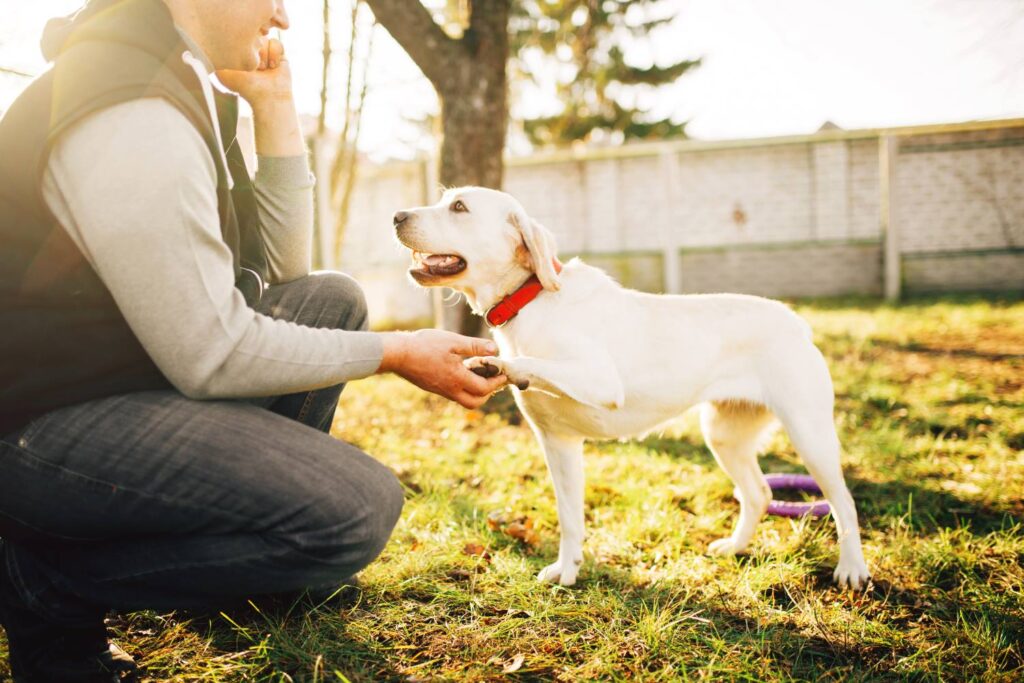
Teaching simple commands like “sit,” “stay,” and “come” at a young age helps you establish leadership and sets the stage for more advanced training. Positive reinforcement—treats, toys, or praise—is the most effective way to get results.
Consistency is Key
Puppies thrive on consistency. Training sessions should be short, fun, and regular. Five minutes of practice two or three times a day is better than one long session.
Conclusion
The time you invest in early puppy training pays off for the rest of your dog’s life. A well-trained puppy grows into a balanced, happy adult dog who is a joy to live with.


One Response
Hi, this is a comment.
To get started with moderating, editing, and deleting comments, please visit the Comments screen in the dashboard.
Commenter avatars come from Gravatar.